


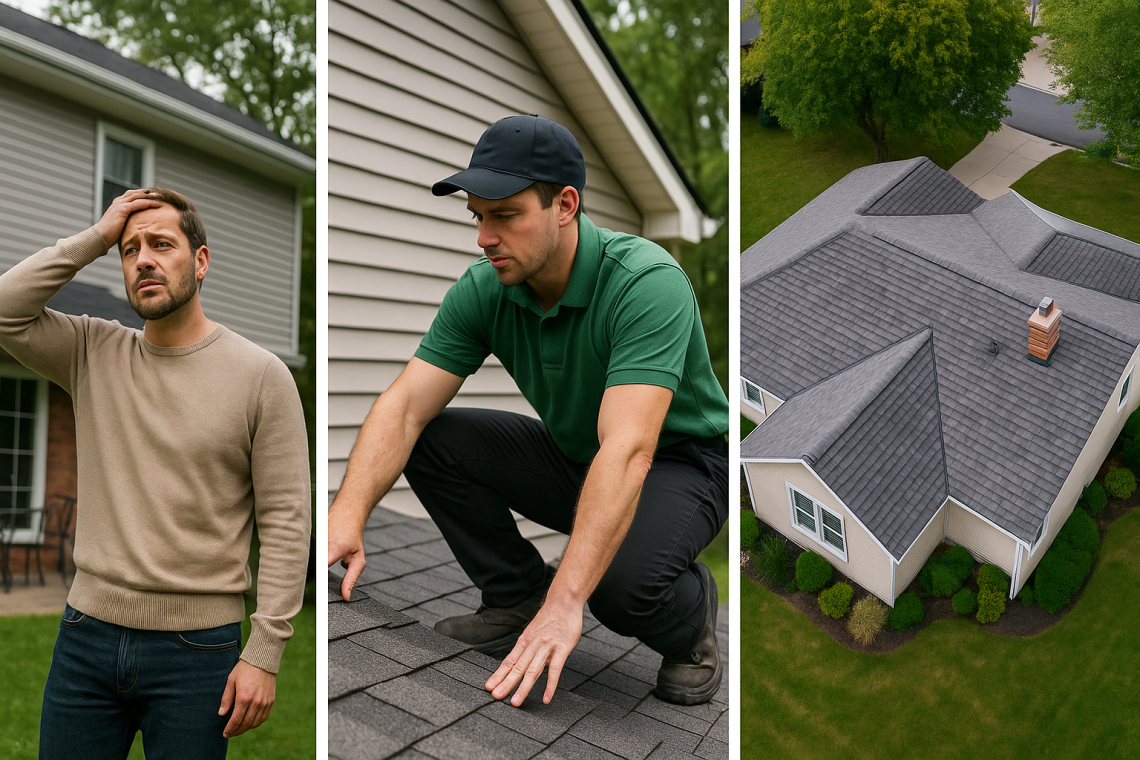
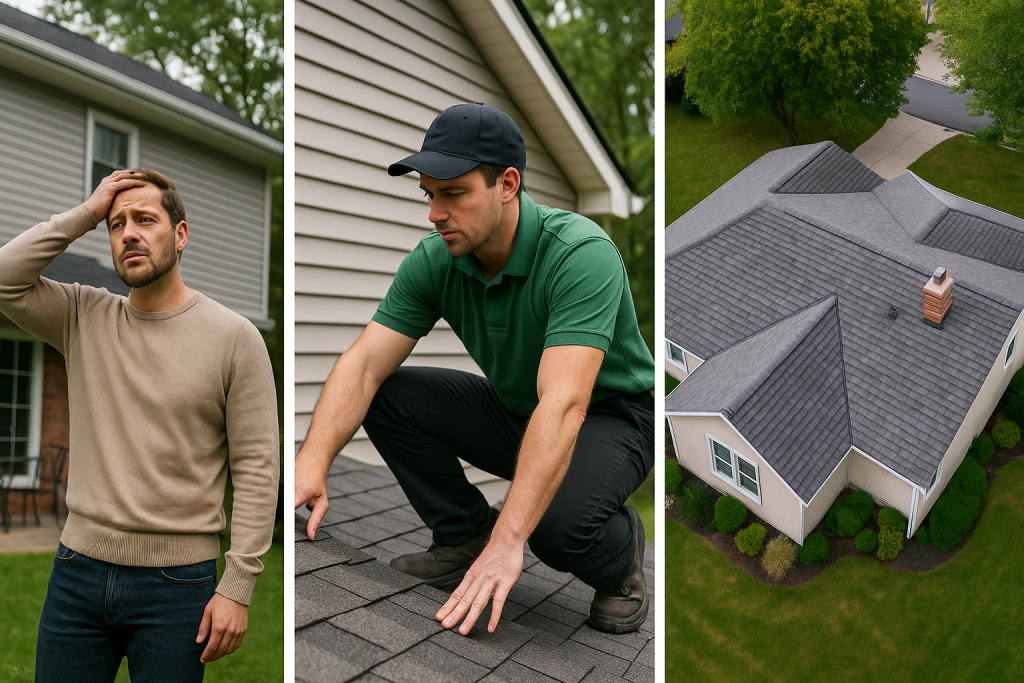
If you own a home in New Jersey, this may be the most important update you’ll read this year.
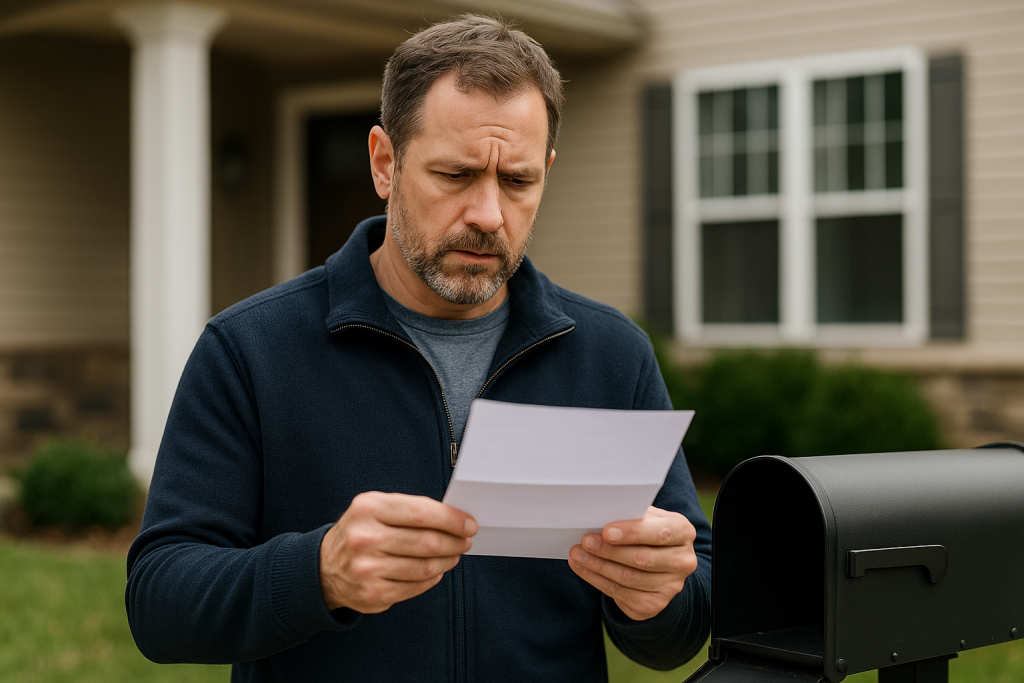
Across the state, homeowners are receiving unexpected letters from their insurance companies — not about rate increases, but about policy non-renewals due to one thing:
the age of their roof.
These notices are affecting homeowners with roofs that aren’t leaking, aren’t damaged, and in many cases look perfectly fine.
So why is this happening?
To understand it, you have to look at what has happened inside the insurance industry over the last few years — and how recent changes are now impacting tens of thousands of New Jersey policyholders.
This article breaks it all down clearly, factually, and without scare tactics.
Just real information every NJ homeowner needs to know.
Why Insurance Companies Are Dropping NJ Homeowners with Older Roofs — Even When They’re in Good Shape

Major carriers — including State Farm, Allstate, Liberty Mutual, Travelers, Farmers, and GEICO-backed home policies — have all publicly acknowledged increasing underwriting pressure due to historic weather-related losses nationwide.
Here’s the reality most homeowners are not aware of:
Insurance companies have paid out tens of billions of dollars in roof-related claims in the last few years.
Wind storms…
Severe rain events…
Hail damage spikes in parts of the country…
And even questionable claims from roofing scams in some states…
All of this has pushed carriers to reevaluate how much risk they’re willing to take on.
As a result, many insurers are now:
- Refusing to renew policies for roofs over a certain age
- Switching customers to ACV-only policies without them realizing
- Requiring proof of life expectancy before renewing
- Sending out cancellation notices with 30–60 day deadlines
This trend is hitting New Jersey especially hard because of our coastal weather patterns, aging housing stock, and increasing storm frequency.
If your roof is older — even if it’s functioning perfectly — your insurer may see it as a future claim waiting to happen.
The Incentive Homeowners Don’t Realize: A New Roof Can Actually Lower Long-Term Insurance Costs
Most people assume replacing a roof is simply an expense.
But the insurance industry sees it differently.
From an insurer’s perspective:
A brand-new roof = dramatically lower risk.
This is why many NJ homeowners notice:
- Lower premiums after roof replacement
- Better eligibility for top carriers
- Removal of ACV-only restrictions
- Access to improved storm coverage
Homeowners who shop around after replacing their roof often discover they now qualify for carriers who previously declined them — sometimes at better rates than before.
This isn’t something the average homeowner is aware of, but insurance agents know this very well.
The Hidden Cost of an Old Roof: ACV vs. RCV Policies
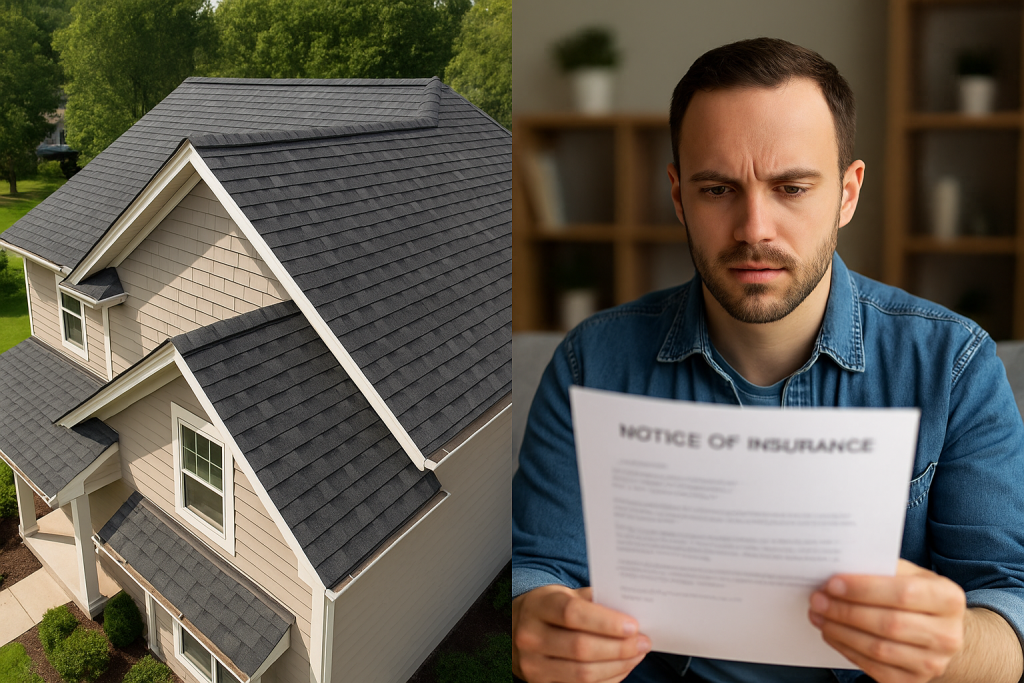
This is one of the most important distinctions in homeowners insurance — and the least understood.
RCV (Replacement Cost Value)
Covers the cost of replacing your roof at today’s prices.
No depreciation.
ACV (Actual Cash Value)
Covers only the depreciated value — which can be shockingly low.
Many homeowners have been quietly switched to ACV policies because their roof is listed as “aged.”
They don’t find out until a storm hits…
…they file a claim…
…and the reimbursement barely covers a fraction of the cost.
This is one of the biggest pain points insurance agents confront when helping clients.
Why Insurance Agents Are Encouraging Proactive Roof Assessments
Many agents across NJ — independent and major-carrier affiliated — have begun advising clients to get a professional, photo-documented roof assessment before renewal season.
Not because they’re trying to sell a roof…
But because they’re trying to prevent:
- Sudden policy non-renewals
- Forced switch to ACV-only
- Coverage limitations
- Premium spikes
- Lender-placed (extremely expensive) insurance
A proactive assessment gives homeowners proof that their roof still has usable life left — something carriers increasingly want to see.
Where Dream Home Roofing Provides Value (Without Pressure, Sales Tactics, or Gimmicks)
This is important to clarify:
Dream Home Roofing is not telling homeowners to replace roofs unnecessarily.
No credible roofing company should.
Our role — and where we’ve been helping homeowners and insurance agents — is in providing:
Insurance-Assuring Roof Assessments
A detailed, photo-backed, unbiased inspection that documents roof condition, material life, and potential issues.
This gives homeowners:
- A defensible record for their insurer
- Peace of mind before renewal
- Documentation if they receive a non-renewal notice
- Clarity on whether their policy should be RCV or ACV
And it helps insurance agents avoid service issues, client frustration, and surprise cancellations.
If a Claim Is Needed, Homeowners Should Never Navigate It Alone
Most homeowners don’t realize this, but adjusters — especially third-party ones insurance companies now rely on — can miss key components of storm damage.
That’s why, when a homeowner files a claim, we take a very simple, supportive role:
“We’re With You Through the Entire Claim Process.”
Once the adjuster’s appointment is set:
- We meet them on-site
- We go on the roof, not just the driveway
- We ensure all storm-related damage is properly documented
- We help prevent missed items that would fall back on the homeowner later
This isn’t “advocacy” in the legal sense — it’s simply making sure the inspection is accurate and nothing is overlooked.
Homeowners deserve that level of clarity.
The Bigger Picture: This Isn’t Just a Roofing Issue — It’s a Statewide Insurance Shift
New Jersey homeowners are facing unprecedented underwriting scrutiny.
Some are seeing:
- Policies canceled
- Premiums doubled
- Coverage restricted
- Carriers leaving the state
- Non-renewals based on roof age alone
And while the industry continues to shift, the best defense any homeowner can have is being proactive rather than reactive.
A roof assessment isn’t about selling a project — it’s about making sure you’re not blindsided by a letter that threatens your coverage, your mortgage compliance, or your financial stability.
Final Thought: Every NJ Homeowner Should Know What Their Roof Means for Their Insurance
Whether a roof has five years left or fifteen, homeowners deserve transparency.
They deserve to understand:
- How their roof affects their premiums
- Whether they have ACV or RCV coverage
- Whether their policy is at risk
- What options they have before a carrier makes decisions for them
If this article reaches even a handful of NJ homeowners before they get a non-renewal letter, it will have done its job.
Because insurance companies may be cutting exposure —
but homeowners should never be left in the dark.
