


Can You Install Solar Panels on a Flat Roof in Hamilton, NJ?
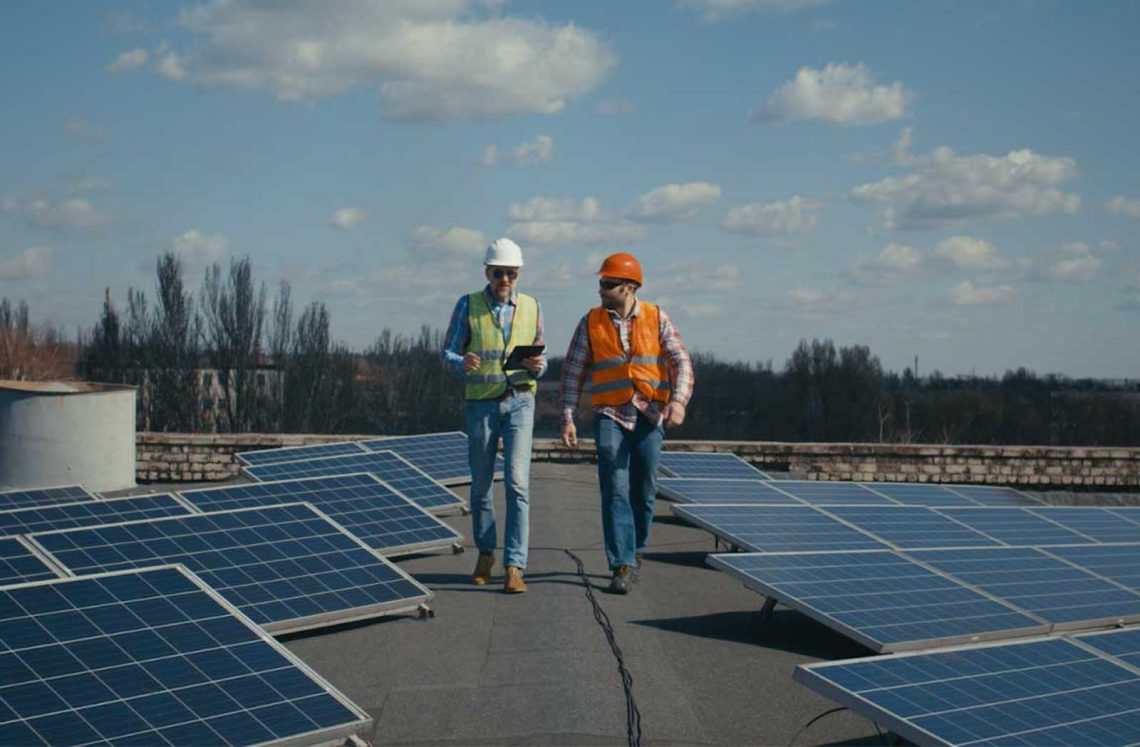
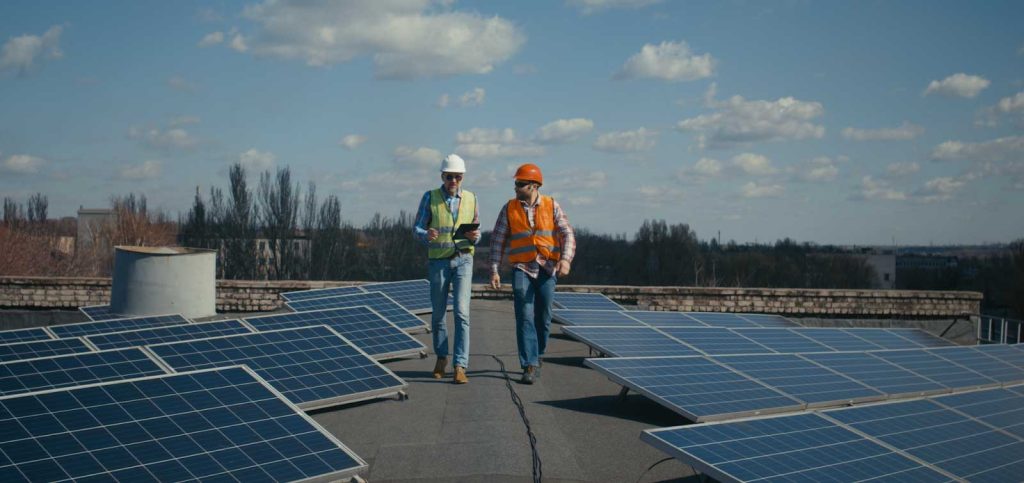
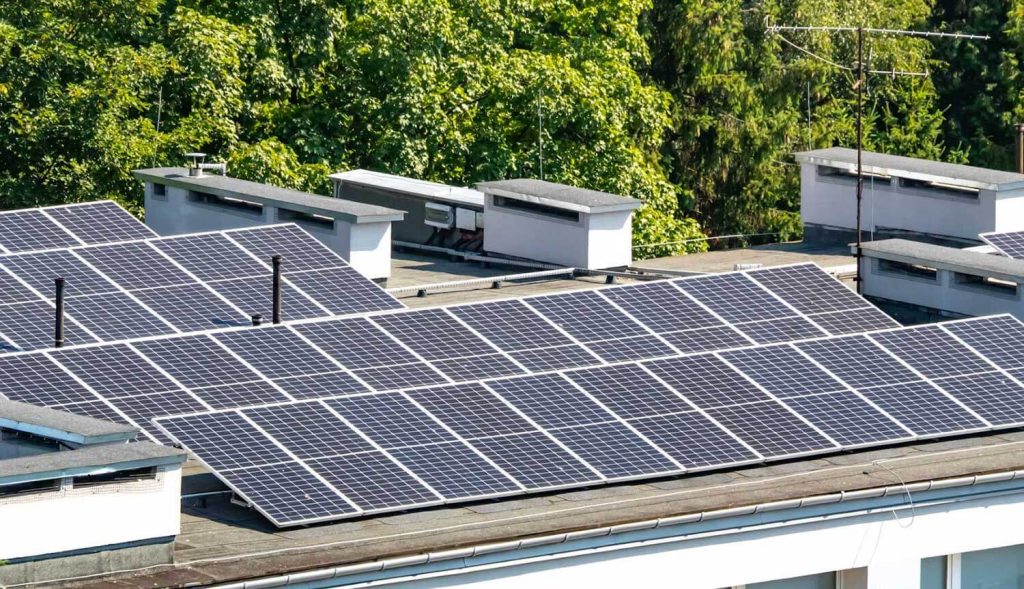
Yes, solar panels can be installed on flat roofs in Hamilton and across New Jersey. The key is proper mounting and professional planning. Flat roofs are common on commercial buildings, multi-family properties, and even some homes in Mercer County. They provide large open surfaces that make them ideal for solar systems when installed by an experienced contractor.
Dream Home Roofing specializes in roofing and solar work, which means we understand how to design and install systems that protect your roof while producing strong energy savings. Our team handles every step in-house, from inspection to panel placement.
Flat roof solar installation is entirely feasible and can outperform sloped roofs when done right.
How Do Solar Panels Get Mounted on Flat Roofs?
Solar panels on flat roofs require specific mounting systems. Two common approaches are ballast mounts and penetrating mounts. The right choice depends on your roof’s structure, material, and load capacity.
Ballast Mounts: Pros and Cons
Ballast systems use weighted blocks to hold panels in place without drilling holes in the roof. This protects the waterproofing layer and reduces the chance of leaks. Ballast systems also allow flexibility in panel tilt and orientation. The trade-off is added weight. A structural inspection may be required to confirm that the roof can handle the load.
Penetrating Mounts: When They’re Necessary
In some cases, ballast alone is not practical. Smaller roofs or roofs with limited weight capacity may need penetrating mounts. This method secures panels directly into the roof with waterproofed attachments. Professional sealing is key to preventing leaks. While it involves more roof contact, penetrating mounts provide stability during heavy winds and severe storms common in New Jersey.
What Are the Costs of Flat Roof Solar Installation in NJ?
Flat roof installations typically cost more upfront compared to sloped roof systems. The added expense comes from specialized racking equipment designed to tilt panels at the correct angle. On average, flat roof solar systems run 5 to 15 percent higher than traditional sloped roof projects.
In New Jersey, incentives can offset much of this cost. Federal tax credits cover 30 percent of system expenses, and state-level programs add more savings. When paired with long-term electricity bill reductions, flat roof systems often pay for themselves faster than homeowners expect.
The long-term savings often outweigh the higher upfront price.
How Efficient Are Flat Roof Solar Systems Compared to Sloped Roofs?
Flat roofs can deliver excellent efficiency because installers control tilt and orientation. Unlike sloped roofs, which lock panels into one angle, flat roofs allow adjustments to match the optimal 15 to 40 degree tilt. This maximizes sunlight exposure throughout the year.
Flat roofs in Hamilton and surrounding towns often use reflective materials. That makes them perfect for bifacial panels, which capture both direct sunlight and reflected light. This design can produce more power per square foot than a standard sloped system.
Flat roof panels can outperform sloped systems when angled correctly.
What Risks Come With Flat Roof Solar Installations?
Flat roof solar systems deliver strong performance, but they come with unique risks that need attention. Pooling water, dirt buildup, weight concerns, and rooftop equipment can all affect system performance and the health of the roof. A professional inspection before installation helps property owners avoid costly surprises.
Because we are certified by VERSICO, our flat roof solar installations can include up to 20-year manufacturer-backed labor warranties. This coverage helps safeguard your investment by pairing professional installation with long-lasting warranty support.
Water Damage and Pooling Risks
Flat roofs often hold water after heavy rain. When panels and mounts are added, water can collect around equipment. Standing water weakens roofing materials and may lead to leaks. Installing panels with the right tilt and drainage paths reduces the risk.
Structural Load Considerations
Ballast systems add weight to a roof. Each concrete block increases pressure on the structure. Before installation, a structural review confirms the roof can carry the load safely. An engineer may be required for older buildings or roofs already carrying heavy equipment.
Debris, Dirt, and Maintenance Factors
Flat roofs collect dust, leaves, and other debris more quickly than pitched roofs. Solar panels mounted flat or at a low angle trap dirt that blocks sunlight. Regular cleaning and inspections keep energy production high and prevent small problems from spreading.
Maintenance Tips for Flat Roof Solar Panels in NJ
Flat roof solar systems require more frequent maintenance compared to pitched roof systems. Panels set at a low angle don’t shed water or debris as easily, which means buildup is more common.
In New Jersey, freeze-thaw cycles put pressure on roofing materials and panel mounts. Water trapped under snow expands as it freezes, creating leaks. Spring rains highlight drainage problems, while hot summers increase wear from UV exposure. Regular inspections in every season help extend system life.
Plan on cleaning panels two to four times per year, depending on local tree cover and dust levels. A simple wash with water restores performance. Pair cleanings with roof checks to confirm that flashing, drains, and seams remain intact.
Book a Flat Roof Inspection with Dream Home Roofing
Why Choose Dream Home Roofing for Flat Roof Solar Installation?
Dream Home Roofing combines roofing and solar experience under one roof. We are fully licensed and insured in New Jersey, and our team handles solar panel removal and reinstallation without subcontractors. That means one company manages every step, from inspection to installation.
We are also a certified VERSICO installer, which allows us to offer manufacturer-backed labor warranties of up to 20 years on qualifying flat roof projects. This added protection gives property owners confidence that both the installation and the materials are fully supported long term.
Property owners in Hamilton, Trenton, Freehold, and surrounding towns trust us for roofing and solar projects. Our crews know how to protect your roof, maximize energy output, and deliver long-lasting results.
Roofing and solar expertise under one roof—no subcontractors.
Get Your Free Hamilton NJ Solar Roof Quote
FAQs About Flat Roof Solar Installation in Hamilton NJ
Does solar work on older flat roofs?
Yes, but an inspection is important. If the roof is near the end of its lifespan, replacing it before installing panels avoids future removal costs.
How much space do I need for panels on a flat roof?
A typical residential system requires 200 to 400 square feet. Commercial buildings often dedicate thousands of square feet to maximize output.
Can solar void my roofing warranty?
It can, depending on how the system is mounted. Using licensed roofers like Dream Home Roofing protects your warranty and prevents unnecessary risk.
How long does flat roof solar installation take?
Most residential systems install in one to three days. Larger commercial projects can take a week or longer, depending on system size and roof complexity.
Do flat roof solar panels qualify for NJ rebates?
Yes. Systems qualify for the federal 30 percent tax credit and state-level incentives. These programs lower upfront costs and increase long-term savings.
