


Roof Ice Damage – A Common Problem in New Jersey
New Jersey is experiencing some cold nights this November. Freezing nighttime temps can pose risks to the exterior of your home. Add wind, rain, or existing damage, and you have a recipe for an expensive issue.
That’s where Dream Home Roofing comes in! We urge our Hamilton, NJ neighbors to consider inspecting or upgrading their roof, gutter, and siding systems before they are put to the test.
- Freezing temperatures, ice dams, and trapped moisture cause serious roof damage.
- Homeowners should inspect their roof and attic before and after deep freezes.
- Professional maintenance from Dream Home Roofing keeps your roof sealed, safe, and ready for winter.
- Preventative steps cost less than emergency repairs after snow or ice buildup.
Why Cold Weather Hits Roofs Harder Than You Think
Cold weather increases pressure on roofing materials and exposes weak spots. Shingles contract, nails shift, and flashing separates under temperature stress. Small openings allow water to enter, which leads to leaks once freezing and thawing begin.
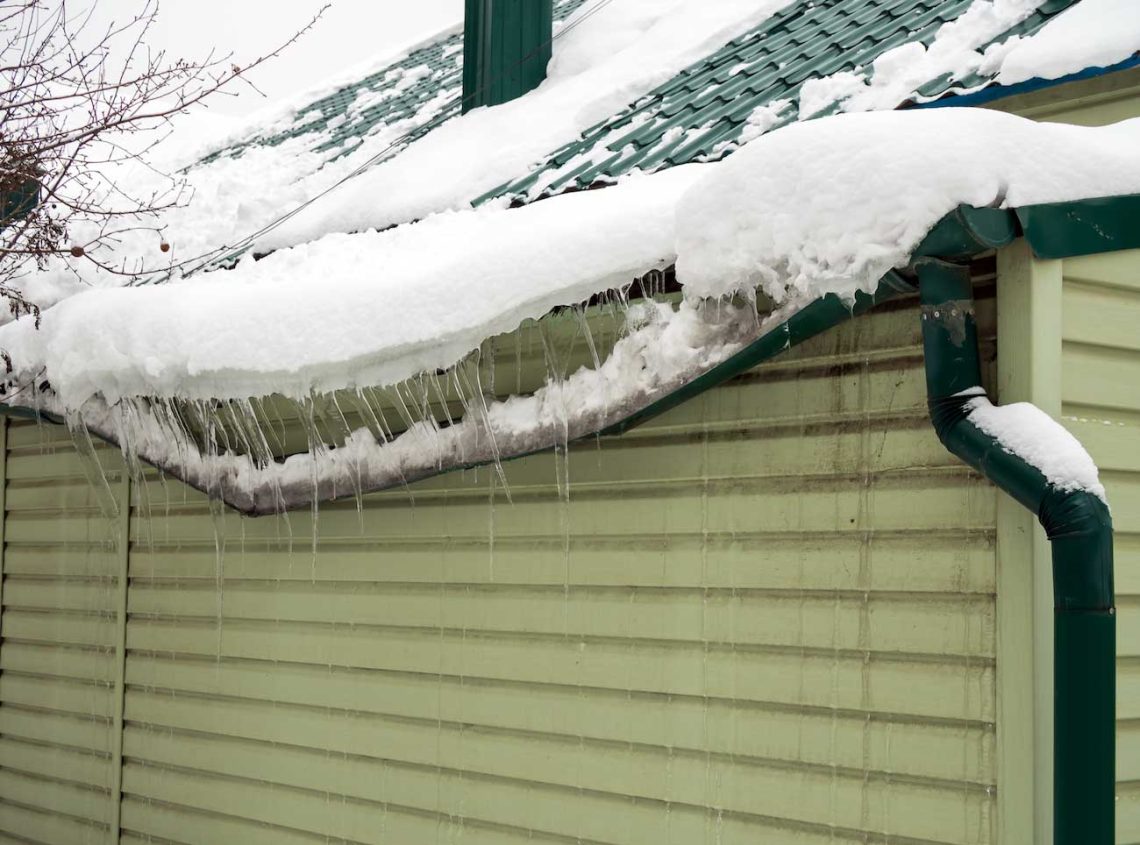
Ice dams form when attic heat melts snow unevenly across the surface. Melted snow refreezes near the edges, holding water in place. That trapped water works under shingles and damages the underlayment. Each freeze-thaw cycle expands those gaps, creating larger cracks and weakening the roof structure.
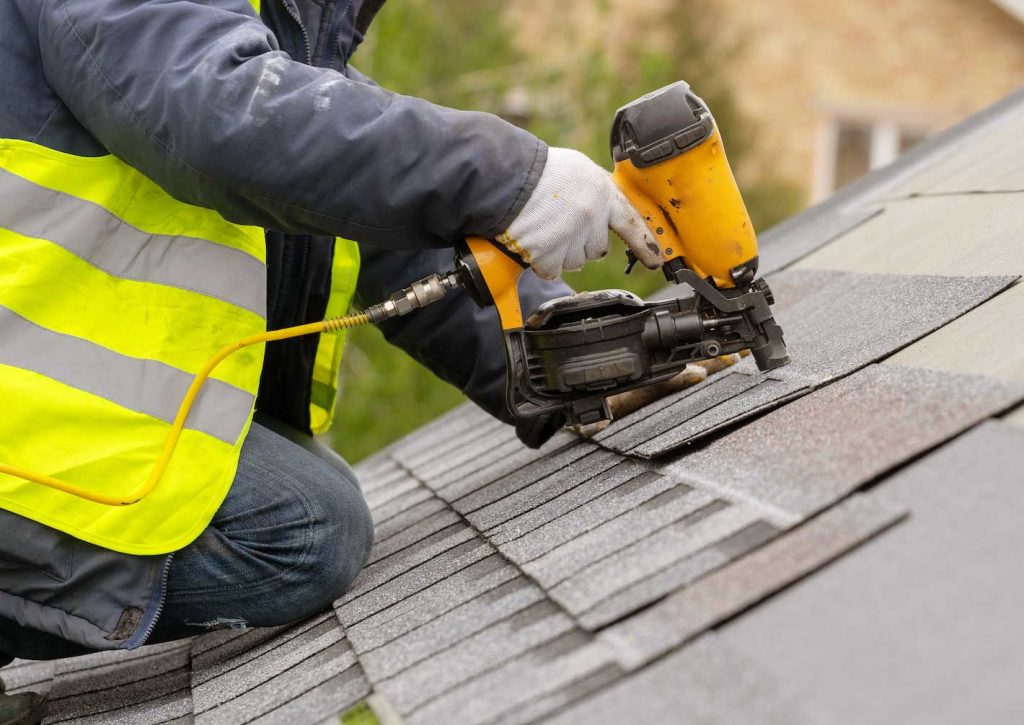
Technicians at Dream Home Roofing inspect and repair these issues before winter conditions worsen them. Early maintenance prevents interior leaks, insulation damage, and unnecessary replacement costs.
Small cracks become big problems when water freezes inside them.
Common Types of Roof Damage in Freezing Weather
Freezing weather creates several types of roof damage that often go unnoticed until spring.
- Ice dams cause shingle lift and water intrusion.
- Cracked shingles appear after rapid temperature drops.
- Loose flashing develops where sealant shifts or expands.
- Blocked gutters fill with frozen debris and trap water.
- Attic condensation forms when warm indoor air meets cold roof surfaces.
Each of these issues weakens structural integrity and shortens the roof’s lifespan. Routine winter inspections from Dream Home Roofing identify problems early and prevent long-term deterioration.
Frozen gutters and blocked vents can cause more damage than a heavy storm.
How to Prevent Roof Damage During NJ Freezes
Preventing winter roof damage starts with a clear inspection before the first freeze.
- Clear gutters and downspouts to allow drainage.
- Seal flashing, vents, and edge joints with professional-grade materials.
- Add attic insulation to maintain consistent indoor temperature.
- Trim branches that hang near the roofline to prevent scraping or ice buildup.
- Schedule a professional inspection from Dream Home Roofing to confirm system performance.
Balanced attic ventilation keeps the roof temperature consistent and stops uneven melting that leads to ice dams. Proper airflow also reduces condensation and extends roof life.
Why Ice Dams Are a Bigger Problem Than You Think
Ice dams form when attic heat melts snow near the top of the roof while the edges remain frozen. Meltwater flows downward, refreezes, and builds a ridge of solid ice along the eaves. Once that ridge traps water, it backs up under the shingles and seeps into the roof deck.
The trapped moisture softens decking, breaks down underlayment, and damages insulation. When water enters through nail holes or seams, it can reach interior ceilings and walls. Over time, that moisture leads to rot, mold growth, and ruined drywall.
Homeowners often make mistakes trying to fix ice dams. Chipping or breaking the ice by hand damages shingles. Salt and melt chemicals stain surfaces and corrode metal flashing. The right approach focuses on prevention, not quick fixes. Proper attic insulation, ventilation, and regular inspections by Dream Home Roofing stop heat loss and reduce the risk of ice dam formation altogether.
When to Call a Professional
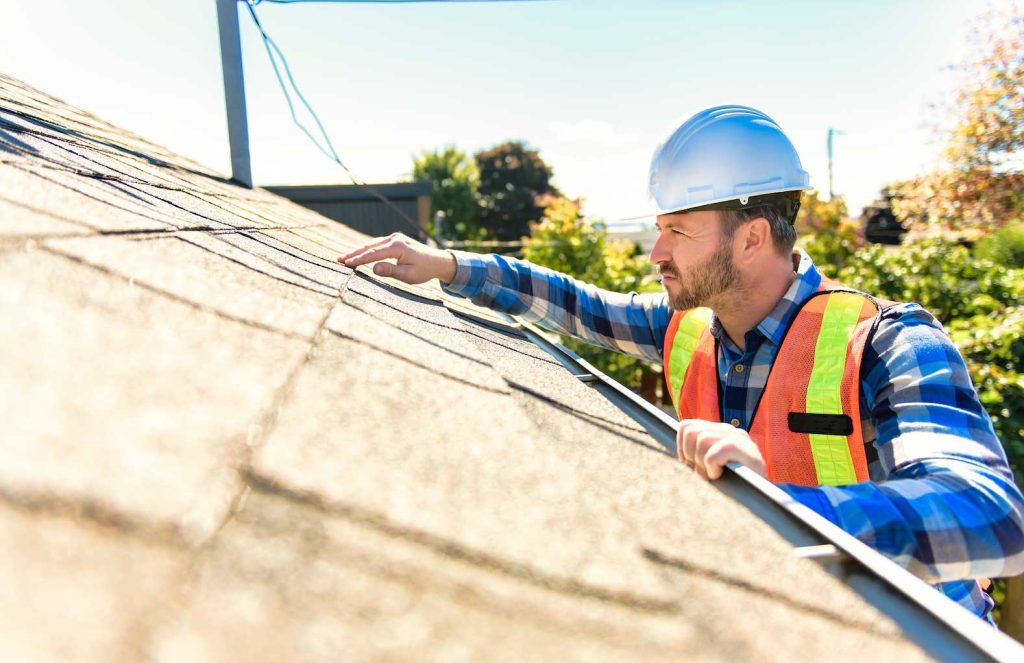
Call Dream Home Roofing after a heavy freeze, ice dam formation, or visible leak. Professionals have the right equipment to inspect the roof safely and identify damage you cannot see from the ground. Trained technicians measure attic humidity, check for insulation gaps, and locate areas of hidden moisture.
Professional service also includes clearing drainage channels, sealing flashing, and repairing displaced shingles before the next freeze. In some cases, heat cables or additional ventilation may be installed to regulate roof temperature. Taking action early prevents interior damage and expensive repairs later in the season.
Need help protecting your roof this winter? Schedule your cold-weather inspection today with Dream Home Roofing, New Jersey’s trusted roofing experts.
Get an instant roofing service quote HERE!
FAQs: Freezing Temperatures and Roof Damage
Q: How cold is too cold for roof repairs in New Jersey?
Roof repairs can be performed safely down to about 20°F using specialized adhesives and cold-weather materials. Below that temperature, bonding becomes unreliable, and repairs should wait for slightly warmer conditions.
Q: Should I remove snow from my roof myself?
Use a roof rake from the ground if snow depth exceeds six inches. Never climb onto an icy or snow-covered roof. The surface is unstable and can shift suddenly. Contact a professional for safe snow and ice removal.
Q: Can freezing rain damage shingles?
Freezing rain forms a solid sheet of ice that stresses shingles, gutters, and fasteners. As the ice expands, it lifts edges and opens small gaps that allow water to enter. Older roofs are especially prone to this kind of damage.
Q: What does attic frost mean?
Frost inside the attic means warm, humid air from the living space is escaping upward. The moisture condenses on cold roof surfaces and freezes. The issue usually points to poor ventilation or gaps in insulation that should be corrected before mold forms.
Q: How often should I have a winter roof inspection?
Schedule a winter roof inspection at least once per season. The best times are before the first deep freeze and again after major snow or ice events. Regular evaluations catch damage early and protect the roof from further wear through the winter months.
