


How Often Should I Schedule a Roof Inspection?
Quick answer:
- Roof inspections should be done at least twice a year and after major storms.
- Ignoring roof issues can shorten its lifespan by up to 50%.
- Professional inspections from Dream Home Roofing help detect small problems before they become costly.
- Routine checkups protect your home’s value, safety, and energy efficiency.
Why Regular Roof Inspections Matter More Than You Think
Regular roof inspections matter because they catch problems before leaks, mold, and structural damage hit your wallet. Small faults spread fast under New Jersey weather. Loose shingles invite water. Worn flashing opens gaps. Hidden attic moisture drives decay and higher energy bills.
Homeowners often call only after a ceiling spot appears. Repairs grow bigger at that point. Materials soak. Insulation clumps. Drywall stains, then sags. A routine inspection finds early wear, documents issues, and guides simple fixes.
You get peace of mind and predictable maintenance.
We build each inspection around real homes, not guesswork. Our techs check the roof system, not just surface shingles. Dream Home Roofing delivers clear findings, photos, and a direct plan. No fluff. No pressure. Just straight answers and practical next steps. Get a free roof repair quote today!
Small leaks can cost thousands if ignored. Routine inspections prevent that.
How Often Should You Schedule a Roof Inspection?
You should schedule roof inspections twice a year in spring and fall, plus after any major storm. Seasonal changes in New Jersey stress every roof component. Freeze-thaw cycles lift shingles. Wind drives rain under flashing. Summer heat bakes sealants and vents.
Spring inspections spot winter damage and prepare you for thunderstorm season. Fall inspections ready the system for wind, snow, and ice. Homes with roofs older than ten years benefit from additional checks. Properties with heavy tree cover need closer attention too. Branches scrape granules. Gutters clog quickly. Water backs up and finds seams.
Investment properties and commercial buildings deserve the same cadence. Foot traffic, rooftop equipment, and flat surfaces amplify risk. Documented inspections help with insurance and warranty claims. Fast scheduling after hail or wind avoids small punctures turning into soaked decking. Simple plan, big payoff. Put inspections on the calendar and stick to it.
Seasonal Inspection Schedule That Actually Works
- Spring: Look for winter lift, cracked flashing, popped nails, and ice dam scars. Clear debris that traps moisture.
- Fall: Tighten the system for wind and snow. Confirm sealants, vents, and flashing sit tight. Clear gutters fully.
- After major storms: Request a storm damage evaluation. Hail bruises shingles. Wind loosens edges. Fast checks stop seepage.
A 30-minute inspection can save you thousands in repair costs.
Warning Signs You Shouldn’t Wait to Call an Expert
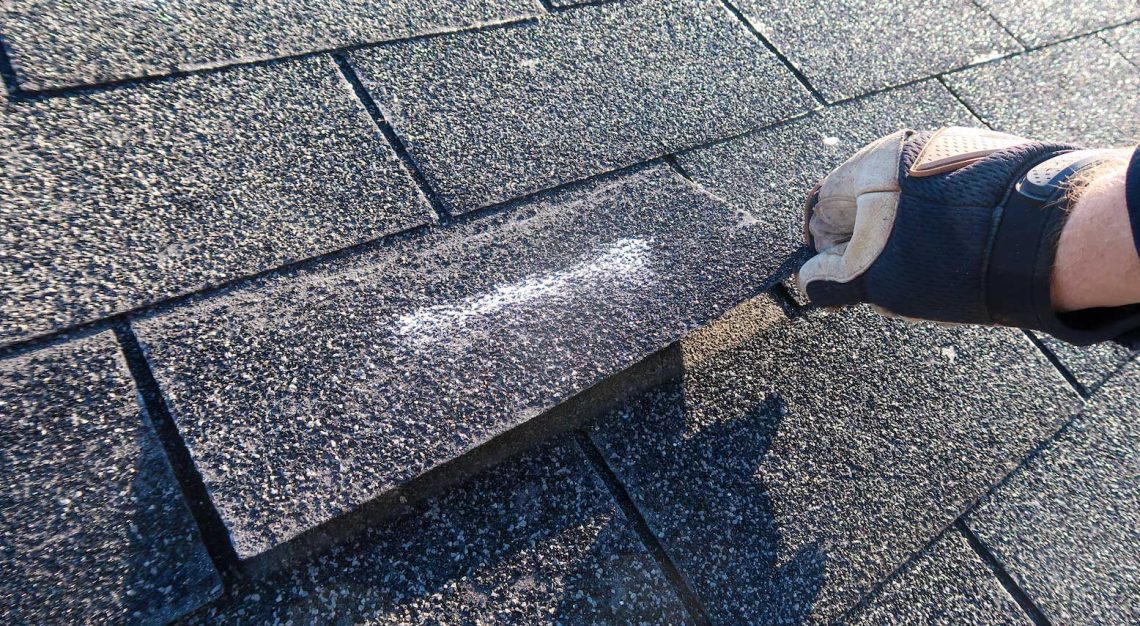
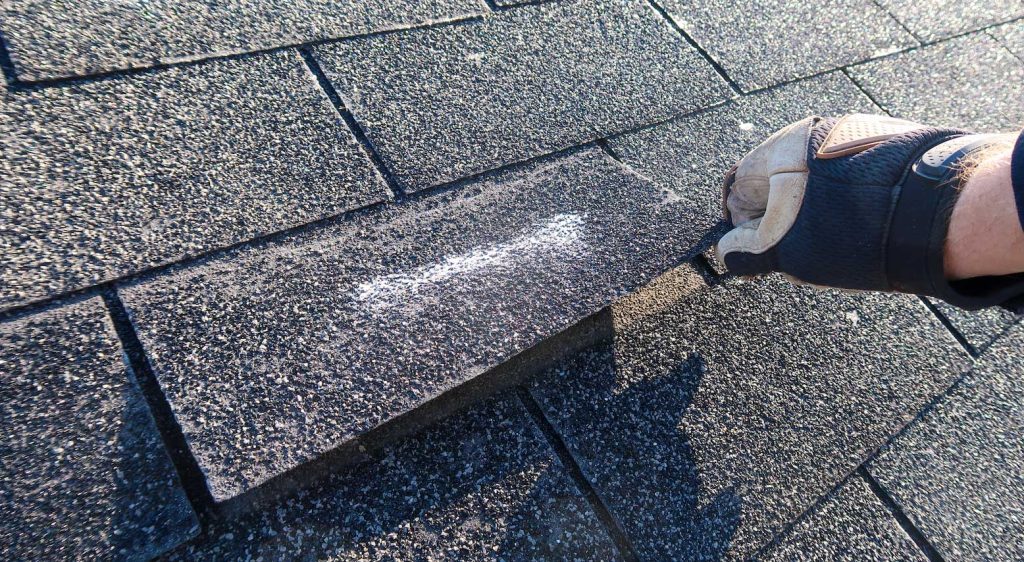
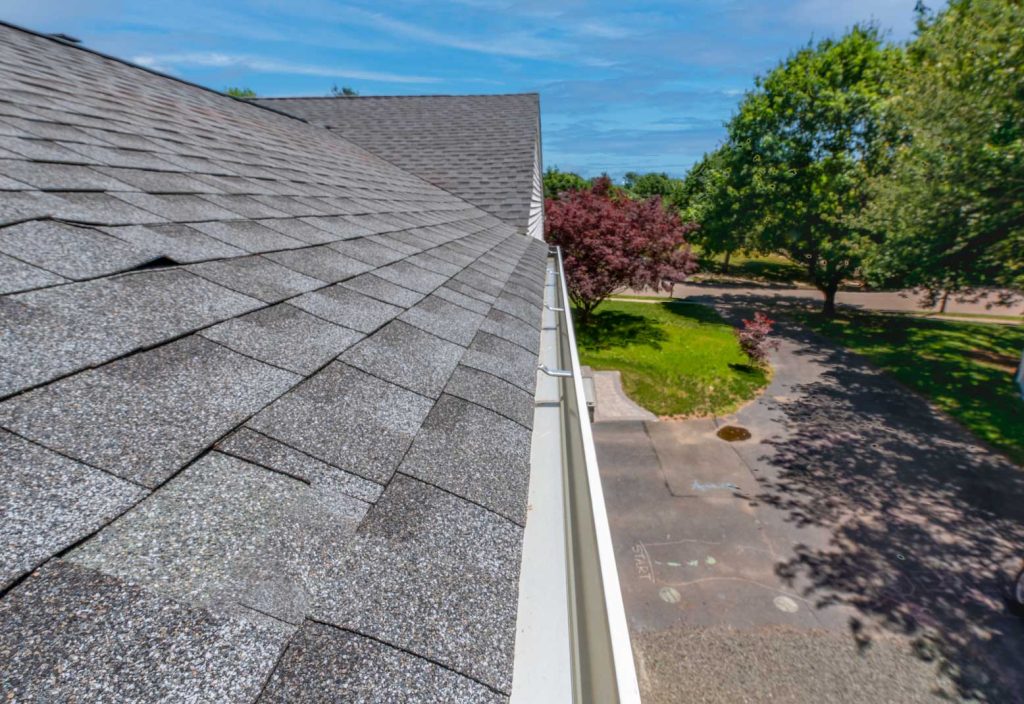
Call an expert when you see active or early failure signs. Missing, curled, or creased shingles point to wind or age. Dark patching signals granule loss that exposes asphalt to UV. Sagging lines hint at structural stress. Rust near flashing or chimney counterflashing suggests open seams.
Check gutters and downspouts for heavy granules. That often reveals accelerated wear. Look inside the attic on sunny days for pinholes of light. Musty smells and damp insulation point to slow leaks. Ceiling spots, peeling paint, and wall bubbles are late clues, not early ones.
Prompt action saves money and avoids interior repairs. A professional inspection confirms scope and urgency with photos and measurements. Dream Home Roofing’s certified specialists deliver a clear, prioritized plan that focuses on safety, watertight integrity, and cost control.
Your ceiling stain isn’t a cosmetic issue. It’s a symptom of deeper damage.
What Happens During a Professional Roof Inspection?
A professional roof inspection evaluates the entire system, not just shingles. Technicians assess shingles, seams, flashing, penetrations, and vents. They review underlayment exposure at edges and terminations. They confirm attic airflow and check moisture readings. Gutters and downspouts get a full look for slope, attachment, and blockages.
You receive photos and notes tied to each finding. The report explains what failed, why it happened, and how to fix it. Roof repair options match the issue, budget, and roof age. Small corrections happen fast. Larger repairs get scheduled in priority order. You gain a clear maintenance record and a reliable plan for the next season.
Step-by-Step Breakdown
- Exterior assessment: Inspect shingles, flashing, valleys, chimneys, skylights, and pipe boots for wear and uplift.
- Interior check: Review attic for daylight, moisture, staining, and ventilation balance using temperature and humidity cues.
- Gutter review: Confirm secure hangers, correct pitch, clear channels, and free downspouts to move water away.
- Report and repair plan: Receive photos, itemized recommendations, and timelines that align with weather and access.

How Professional Roof Inspections Save You Money
Professional roof inspections save money by stopping small problems before they grow into expensive repairs. A certified inspector finds early signs of leaks, shingle damage, or poor ventilation that you might overlook. Catching these early prevents water intrusion, mold growth, and structural wear that drive up costs fast.
Hidden leaks raise humidity, rot wood, and force HVAC systems to work harder. Small cracks in flashing or shingles let in moisture that can spread under layers, damaging insulation and drywall. Fixing a few missing shingles costs far less than replacing an entire section of roofing or repairing interior ceilings.
Routine inspections also protect your roof warranty and increase resale value. Homebuyers trust homes with maintenance records. Inspections document roof condition, showing clear evidence of care and extending the roof’s life span. When a problem does appear, the records make insurance claims smoother and faster.
Real Savings Homeowners See
- Prevent costly emergency repairs. Fixing leaks early avoids inflated after-hours rates and extensive water damage.
- Keep insurance premiums lower. Regular inspection reports show responsible maintenance, reducing claim disputes.
- Boost property value with documented upkeep. A well-documented roof inspection history reassures buyers and inspectors alike.
Preventive maintenance costs less than emergency repairs—always.
Why Choose Dream Home Roofing for Your NJ Roof Inspection
Dream Home Roofing has earned homeowner trust through direct, honest service. As a veteran-owned and fully certified roofing company, their reputation is built on consistent results and straightforward advice. Each inspection follows a proven process that covers every roofing component – no shortcuts, no subcontracting.
Technicians handle the job from start to finish. They arrive on time, explain findings in plain language, and recommend practical solutions that fit your home and budget. Every inspection includes clear documentation and real warranty protection. Homeowners across New Jersey rely on their team for reliability, professionalism, and long-term roof performance.
Ready for peace of mind? Book your comprehensive inspection with Dream Home Roofing—New Jersey’s trusted roofing professionals.
Frequently Asked Questions
How often should I schedule a roof inspection in New Jersey?
In New Jersey, schedule a roof inspection twice a year—spring and fall—and after any severe storm to catch seasonal and storm-related wear early.
How long does a roof inspection take?
Most inspections take between 30 and 60 minutes, depending on roof size, slope, and accessibility.
Can I inspect my roof myself?
Homeowners can visually check for missing shingles or debris from the ground, but a professional inspection identifies hidden or structural damage the untrained eye might miss.
What’s included in a Dream Home Roofing inspection?
Every inspection covers the full roof system—exterior surface, attic, and gutter components—with a photo report and repair recommendations.
Is a roof inspection covered by insurance?
Preventive inspections are typically paid out-of-pocket, but repair work from storm damage may qualify for coverage when you have inspection documentation.
