


Ice Dam Removal – Broken Down By Experts
- Ice dam removal protects your roof from water intrusion and structural damage.
- Timing and method matter: improper removal can cause more harm.
- Cost varies widely based on severity, roof size, and method.
Professional help from Dream Home Roofing gives you safe, effective ice dam removal and long-term prevention. Get a quote in 30 seconds!
Why Ice Dam Removal Should Be Your Winter Priority
Ice dam removal is necessary when ice blocks your roof’s drainage and allows water to pool behind the frozen ridge. That trapped water seeps under shingles, freezes, and expands, causing leaks that reach insulation, ceilings, and walls.
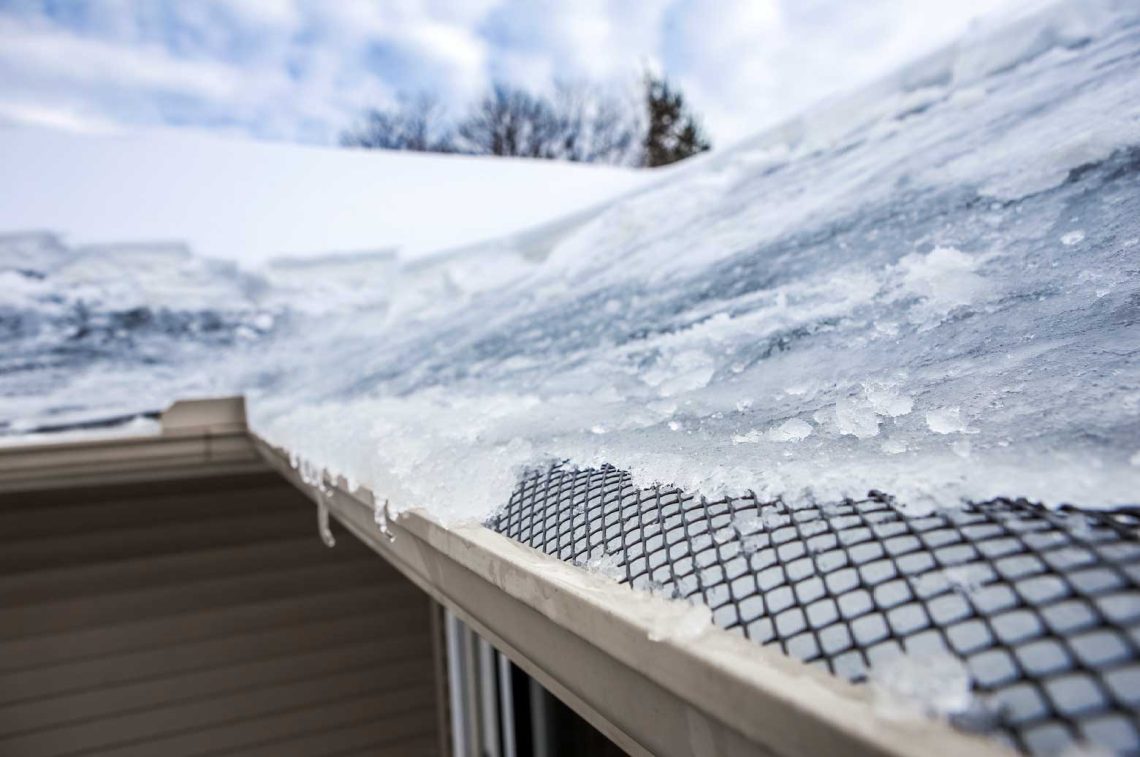
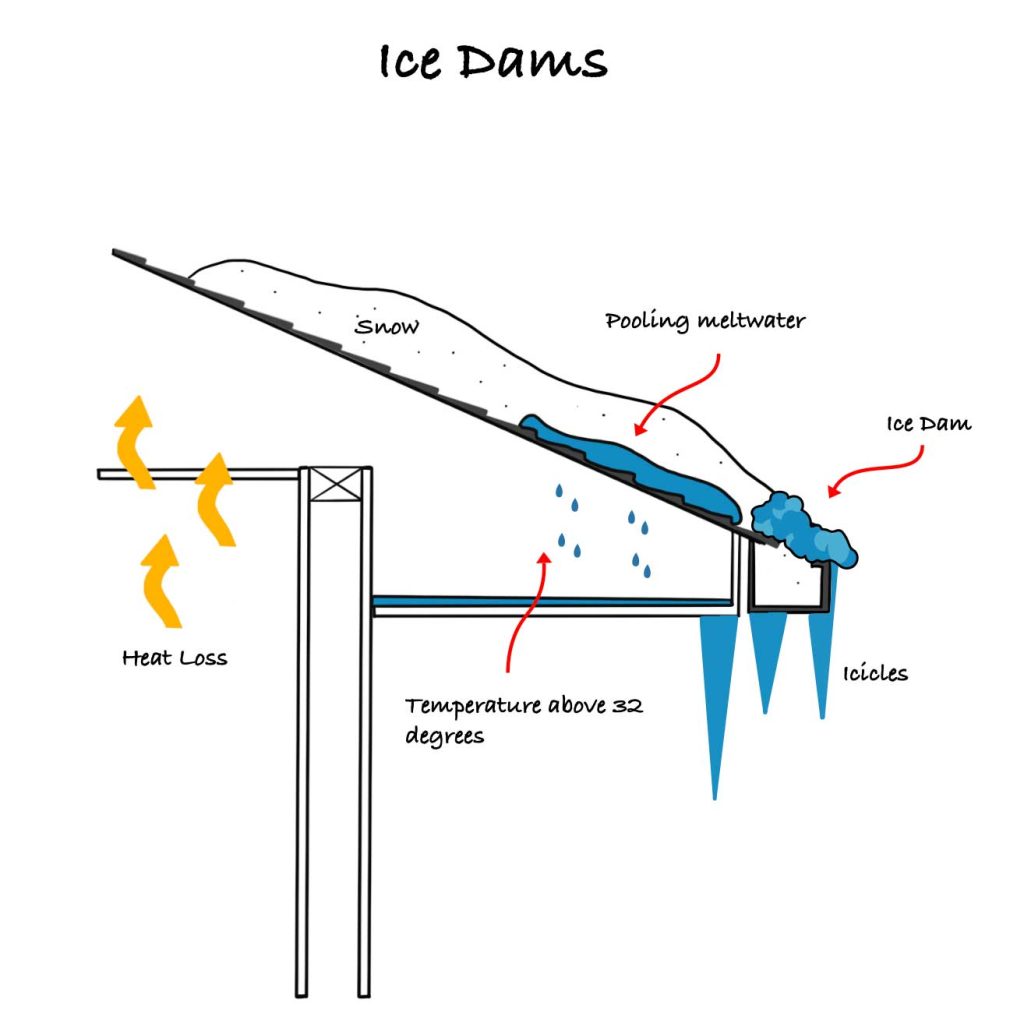
Ice dams form when attic heat melts snow at the top of the roof. Meltwater runs down until it hits a cold overhang, where it refreezes. As the cycle repeats, ice builds thicker and blocks natural runoff. Even a few inches of ice can cause serious water intrusion.
New Jersey homes face added risk because of fluctuating temperatures, snow accumulation, and heavy freeze-thaw cycles.
Watch for icicles forming along the eaves, wet ceilings near exterior walls, or damp attic insulation. These are clear signs that water is trapped and beginning to cause damage. Addressing it quickly through professional removal saves you from expensive spring repairs.
How Much Does Ice Dam Removal Cost in New Jersey?
Ice dam removal cost depends on the method, roof type, and how much damage has occurred. National averages range between $600 and $1,800, but homes with complex or steep roofs can reach $4,000 or more.
New Jersey homeowners often pay near the higher end of that range due to colder temperatures and dense roofing materials. Local climate, accessibility, and urgency all affect price. The faster you call, the less time the dam has to grow and damage the structure beneath it.
Ice Dam Removal Cost Comparison
| Method | Typical Cost Range | Best Used For |
|---|---|---|
| Salt / melt tablets | $200 – $300 | Minor ice buildup or preventative treatment |
| Chipping / manual removal | $800 – $1,800 | Moderate ice dams on accessible sections |
| Steam or professional equipment | $1,000 – $4,000+ | Severe ice dams or multi-story structures |
Professional services typically include a full inspection before and after removal to confirm drainage is restored and the roof remains intact. Prices may rise if the ice is thick, access is limited, or roof materials require low-pressure techniques.
Homeowners often save money by scheduling inspections early in the season. Preventative maintenance and prompt removal limit labor time and reduce the chance of structural repairs later.
Which Ice Dam Removal Method Is Best for You?
Choosing the right ice dam removal method depends on the amount of ice, roof design, and material type. Each method carries different benefits and risks.
Roof rakes and snow removal – work well for light buildup if done from the ground. Removing loose snow keeps meltwater from forming ice dams in the first place. However, climbing onto a roof in icy conditions is dangerous and can damage shingles.
Chemical deicers – melt small areas of ice but can stain or corrode metal gutters if applied incorrectly. They’re best for temporary relief, not large-scale removal.
Manual chipping or scraping – should only be performed by trained professionals. Striking the ice too hard or using the wrong tools can crack shingles and flashing.
Steam removal – is the safest and most effective method for large or stubborn dams. Low-pressure steam melts the ice without damaging roofing materials. It works quickly and protects asphalt shingles, wood shakes, and metal panels.
Dream Home Roofing evaluates your roof before starting any removal. Technicians determine where the ice is forming, how thick it is, and which approach removes it safely. Our team focuses on long-term results—clearing the ice and fixing the source of heat loss that caused it.
What Happens During Professional Ice Dam Removal
Professional ice dam removal starts with a full inspection. The team identifies where ice has formed, how deep it runs, and whether interior leaks have started. Once the problem is mapped, the process begins with careful snow clearing. Removing excess snow reduces the load and prevents new meltwater from feeding the ice.
Next comes the main removal phase. Technicians use low-pressure steam to melt the ice without harming shingles or flashing. Unlike scraping or chemical methods, steam works evenly and avoids surface damage. Each section is cleared until water can drain naturally off the roof.
After the ice is gone, drainage paths and gutters are checked for clogs. Downspouts are flushed, and any sections under strain are reinforced. The attic and ventilation system are then reviewed to confirm proper airflow and insulation coverage. Poor ventilation often creates the warm spots that cause ice dams in the first place.
Dream Home Roofing documents every step with photos and a condition report. Homeowners receive a follow-up plan outlining repairs, maintenance recommendations, and timing for a seasonal inspection. The goal is to prevent a repeat problem, not just remove ice for the moment.
How to Prevent Ice Dams from Coming Back
- Stop heat from escaping into the attic by sealing insulation gaps.
- Inspect the attic for air leaks around ducts, lights, and vents.
- Add insulation where coverage is thin or uneven.
- Improve attic ventilation to keep roof temperature consistent.
- Clear gutters and downspouts before winter to maintain drainage.
- Trim tree branches that drop debris into gutters.
- Use roof-edge heat cables in problem areas for controlled melting.
- Combine heat cables with insulation and ventilation upgrades.
- Schedule professional roof inspections before and after winter.
- Maintain routine roof care to prevent future ice dam formation.
When Should You Call for Professional Ice Dam Removal? Dream Home Roofing Hamilton, NJ
Call for professional ice dam removal as soon as you see thick ice forming along the eaves or gutters. Repeated leaks, dripping ceilings, or sagging gutters mean water has already started working under the roof surface. Heavy ice can also pull gutter brackets loose and damage fascia boards.
Delaying removal allows water to travel farther inside the structure, leading to insulation damage, staining, and mold growth. Waiting too long may also increase removal cost, since thicker ice requires more labor and time to clear safely.
Dream Home Roofing offers same-day and emergency ice dam removal across New Jersey. Technicians arrive with specialized equipment to clear ice quickly and restore proper drainage before damage spreads. Prompt service prevents larger repairs and helps homeowners maintain roof integrity all winter long.
FAQ – Ice Dam Removal (for NJ Homeowners)
What is ice dam removal?
Ice dam removal is the process of safely melting or clearing ice buildup along a roof’s edges to restore drainage and stop water from entering the home.
Can I remove an ice dam myself safely? Removing ice manually is dangerous and can damage shingles. Professional removal using steam equipment is safer and more effective.
Will ice dam removal void my roof warranty?
Proper removal performed by certified professionals will not void a warranty. Damage caused by chipping or chemical treatments may affect coverage.
Does insurance cover ice dam removal?
Insurance may cover repairs from water damage caused by ice dams, but removal service itself is usually a homeowner expense. Coverage details vary by policy.
How long does the process take?
Most ice dam removals take between two and six hours, depending on roof size, ice thickness, and access. Larger properties or severe buildup may take longer.
How long until I might see new ice dams after removal?
Ice dams can reform within weeks if insulation, ventilation, or drainage issues remain unaddressed. Following professional recommendations helps prevent future buildup.
